

POS Systems in 2026: 7 Changes Every Small Business Should Know
1. AI-Powered POS Systems Can Now Predict Your Sales
A newer kind of POS software looks at your past sales and starts predicting what's coming and how busy Friday night will probably be. Besides that, POS systems also show what you'll likely run out of, how many staff you'll actually need on a Tuesday afternoon. It's not magic. It's just math done automatically, instead of a manager guessing based on memory. The old POS told you what already happened. The newer ones tell you what's coming next.
2. AI Is Starting to Place Orders Through Your POS Automatically
This one's newer and bigger than most people realize. AI tools are now placing real orders such as picking items, adding extras, paying without a human typing anything in. Someone might tell an AI assistant on their phone, "order my usual from that pizza place," and the AI does the whole thing.
Right now, this is still a small slice of overall sales. But according to Juniper Research, the total value of orders placed this way is projected to jump from about $8 billion in 2026 to $3.5 trillion by 2031. McKinsey, a separate research firm, expects AI-placed orders to reach $3 to $5 trillion of global retail spending by 2030. Different firms, same direction: this is growing fast.
Why it matters: an AI agent can't deal with a messy system the way a person can. If your prices or menu aren't accurate everywhere, an AI may just skip your business for a competitor with cleaner systems.
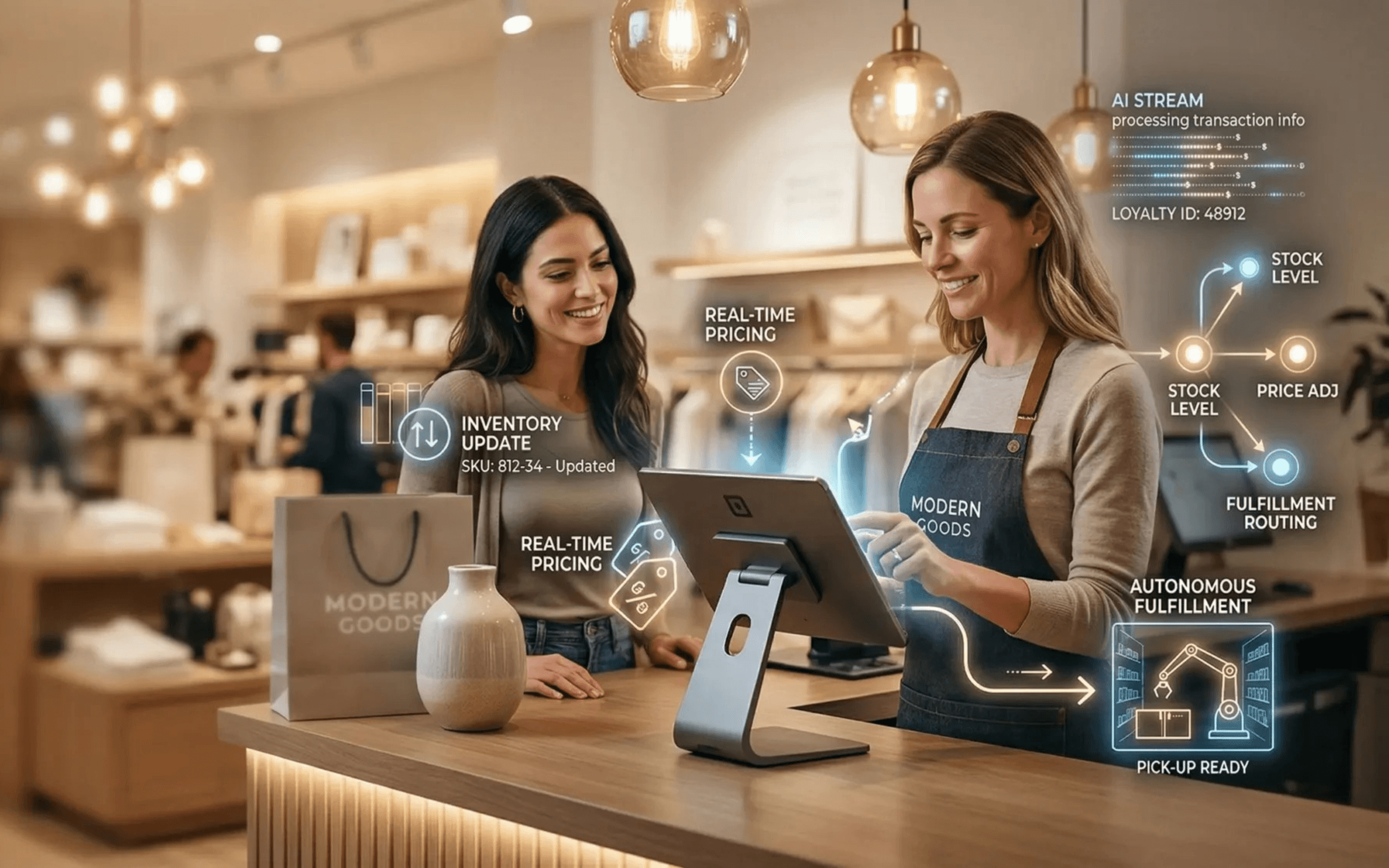
3. Modern POS Systems Connect Online Orders, In-Store Sales, and Inventory
For years, most small businesses ran on a patchwork: one system for online orders, a different one for in-store sales, a spreadsheet for inventory, none of them connected. Someone had to manually keep them all in sync.
That's changing. More POS systems now let your online orders, in-store sales, and inventory all show up in one place automatically instead of three different logins that never quite agree with each other.
4. POS Integrations Are Now the #1 Priority for Restaurant Owners
This isn't a small trend, it's the top priority. According to Hospitality Technology's 2026 POS Software Trends Study, 90% of restaurants say improving how their systems connect to each other is their single biggest priority when it comes to their POS.
In other words, most owners have stopped asking "what fancy features does it have?" and started asking "will this actually work with everything else I already use?"
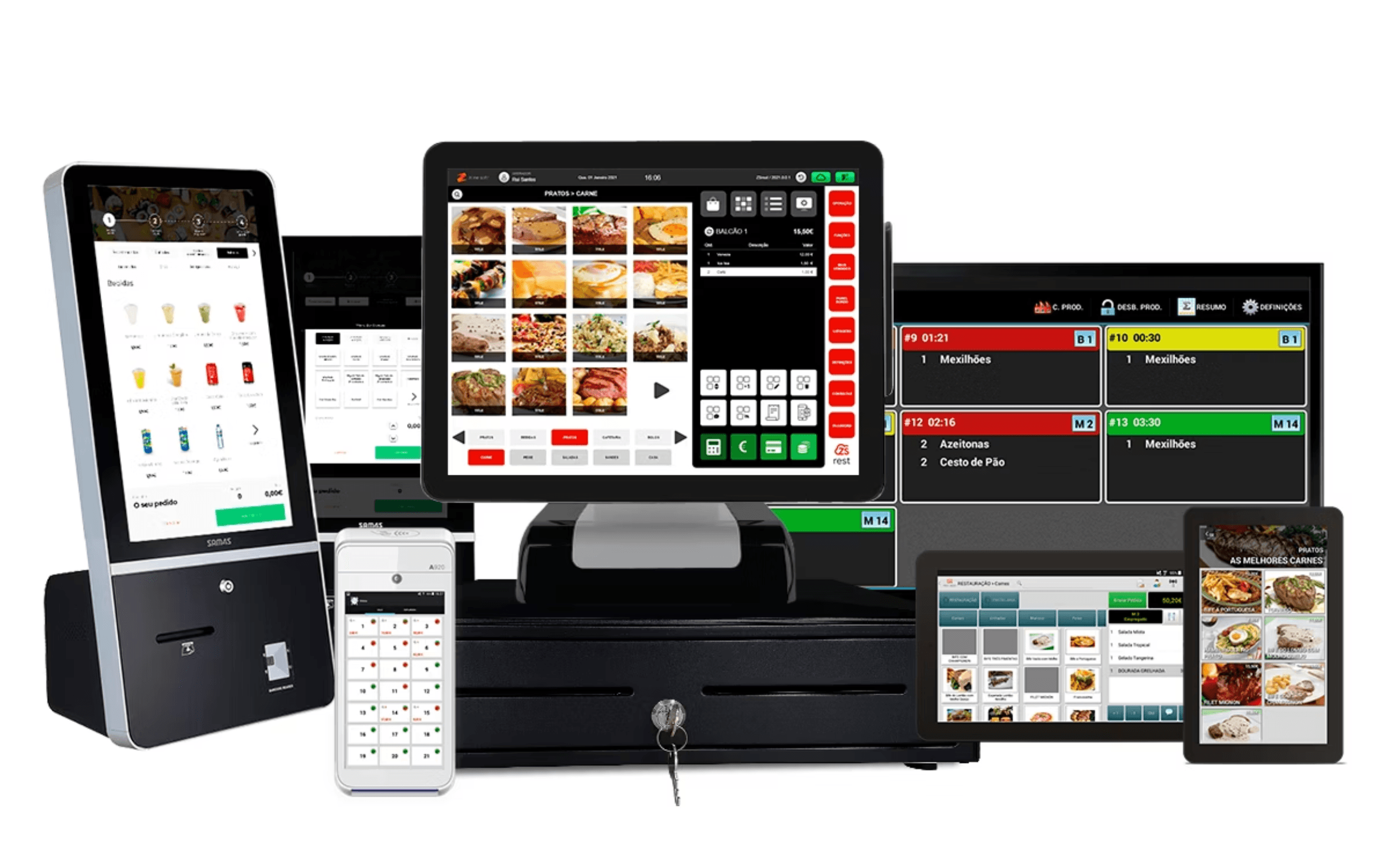
5. Mobile POS Hardware Is Replacing Fixed Terminals
The big terminal bolted to the counter is slowly losing ground. More restaurants and shops are switching to tablets and handheld devices that a server or staff member can carry around to take an order right at the table, or checking someone out anywhere in the store instead of making them wait in one fixed line.
It's a small physical change, but it adds up to shorter waits and less time standing around a single register.
6. POS Systems Now Need to Support More Payment Options
A card swipe used to be the whole story. Not anymore. In 2026, more than 6 in 10 in-person card transactions in the U.S. are contactless with a tap of a card, phone, or watch instead of a swipe or chip insert, according to multiple industry payment reports. Digital wallets like Apple Pay and Google Pay keep growing too, and "buy now, pay later" options are showing up at checkout more often.
Customers increasingly expect to choose how they pay. A POS that only handles one or two payment types is starting to feel outdated fast.
7. Self-Checkout POS Systems Are Growing Fast in the U.S.
Self-checkout isn't just for big grocery chains anymore. Market researchers tracking this space put the global self-checkout market at roughly $5.9 billion in 2026, projected to grow to nearly $18.8 billion by 2035 and North America, led by the U.S., holds the largest share of that market worldwide, according to Global Market Insights.
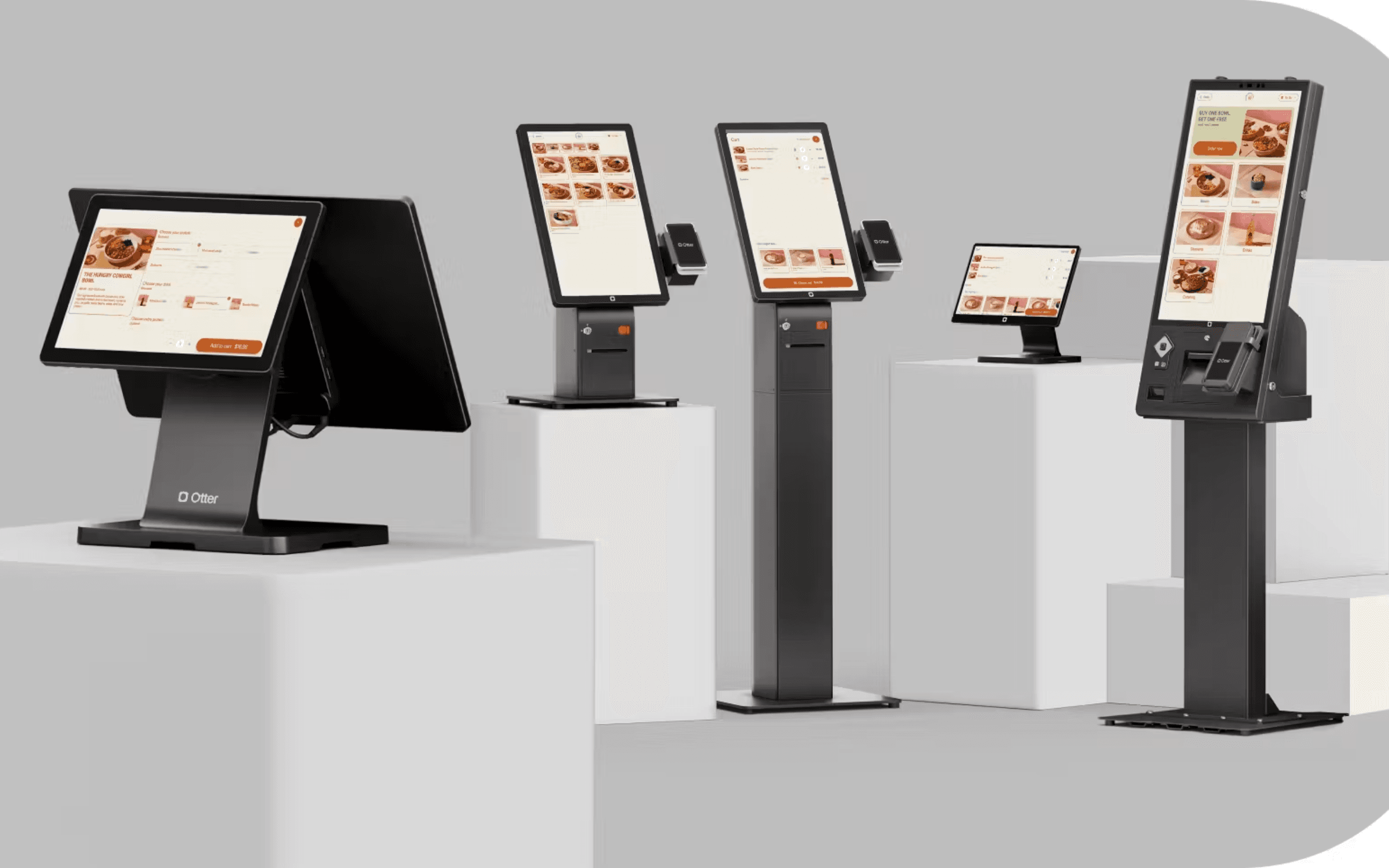
For small businesses, this doesn't necessarily mean removing your staff. It usually means giving customers the option to skip the line when they just want to grab something quick.
Choosing the Right POS System for Your Business
You don't need all seven of these at once. Nobody expects a small pizzeria or a neighborhood boutique to have AI forecasting, agentic ordering, mobile hardware, and self-checkout all running by next month.
But it's worth asking yourself one simple question: is my current setup keeping up, or quietly falling behind?
If your systems don't talk to each other, if your hardware is stuck in one spot, or if you're limited on how customers can pay, those are the first places worth a closer look, since they're also the changes most owners are already prioritizing.
Not sure where your setup stands today? Get in touch with our team for a quick, no-pressure look at what's working well and what's worth updating first.